Close
Trends



Printed Fabrics View articles
Telas en Colores Lisos View articles
Telas para Imprimir View articles
Trends
Printed Fabrics View articles
Telas en Colores Lisos View articles
Telas para Imprimir View articles
Earn rewards
Join the club
Enter your email address and we will send you a link so you can change it.
We have sent instructions on how to change your password to .
Email sent
Would you like to remove the product from your basket?
Would you like to empty your basket?
Subscribing to Waixo


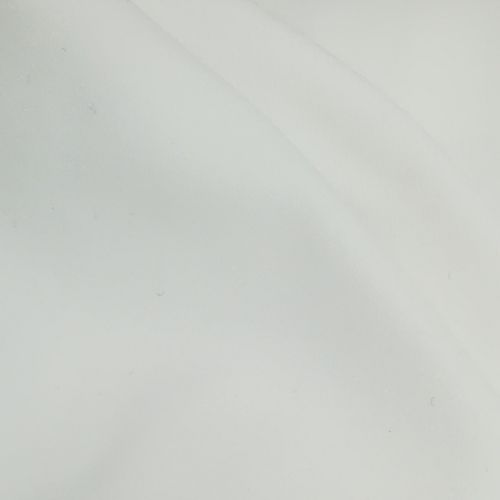

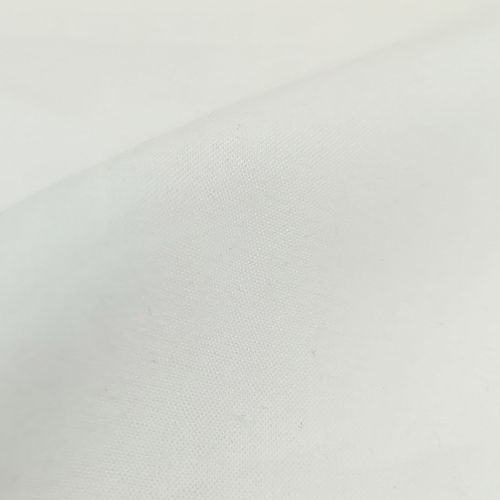






The Recycled PET Canvas Fabric, made from plastic bottles, is especially suitable for those who are aware of product recovery as an optimal form of recycling and contribution to environmental sustainability.
You can purchase this recycled canvas in the plain colors you desire, with the prints from our collection, personalized with the graphic designs, photographs, illustrations you want, or in its natural raw tone.
The technology used for its printing is textile sublimation, achieving professional finishes for its subsequent manufacture.


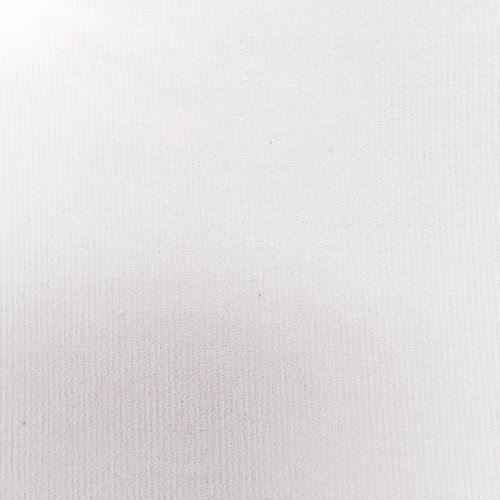
Corduroy, also known as Corderoy or Corduroy, is a classic winter fabric used to make clothes – such as informal suits and trousers – or to upholster cushions or sofas. It is, without a doubt, a good cotton alternative to our polyester-based velvet. This cotton composition of our Corduroy Budapest makes this fabric very soft to the touch, not rough at all. Its parallel fibers, also called ridges or wales, could come from the French expression corduroy, but its inner part is also very soft.
It is believed that the name corduroy could come from the French expression "corde du roi", which means "king's cord", although an English origin is also spoken of. What is clear is that the first textile production of this unique fabric took place in Manchester during the industrial revolution and that, at that time, this city was known for its huge number of cotton looms.
The thickness of our corduroy, 210 g/m2, makes this fabric suitable for clothing not only in winter but also in less cold seasons, such as autumn or winter. It is a fabric that allows for a wide range of colors in its prints, being able to combine colors as disparate as forest green, burgundy, camel, or navy blue.
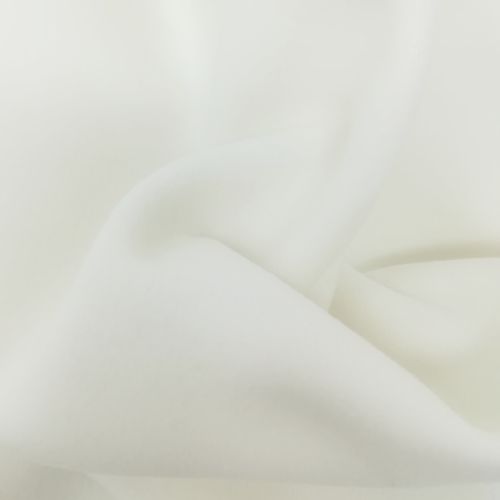


Paño is a smooth, dense fabric with a soft texture that is perfect for the colder months. Despite what its polyester composition might suggest, our paño is incredibly soft, even more so than many cotton fabrics, and is an excellent material for keeping our garments warm during the colder months. We recommend it for tops, dresses, coats, and children's clothing due to its ease of handling.
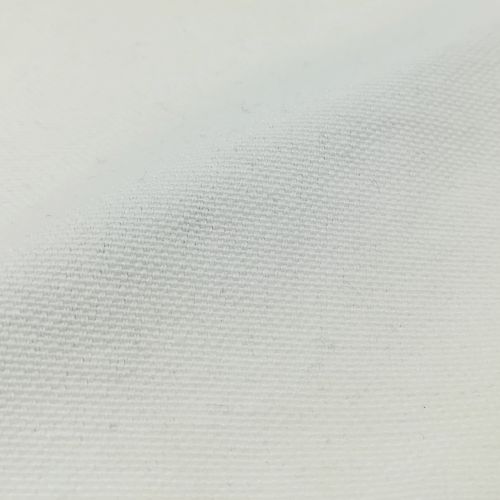
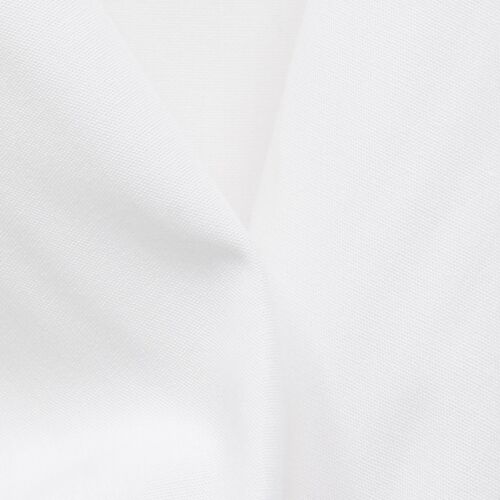

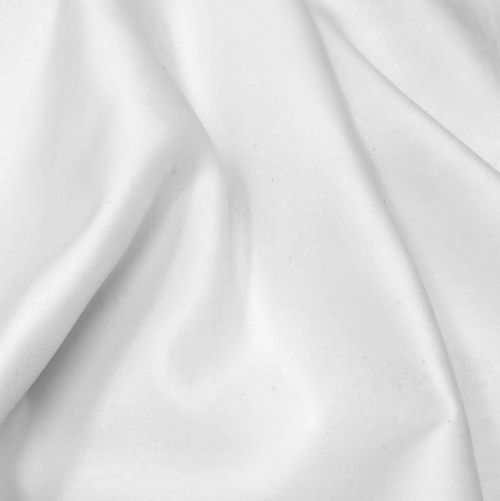

Our satin fabric features a unique off-white color that, together with the shine of its surface, makes colors stand out after the printing process. This is a perfect fabric for making dresses –including ceremonial clothing–, skirts, linings, kimonos, nightgowns, or for decorating bows and slippers thanks to its lustrous outer face and soft interior.
In addition, it is a fabric with body and a weight that gives it a soft drape, so it is recommended for dresses and garments with little volume. Satin is a type of weave generally used to create a very smooth, pasty, and lustrous silk fabric, whose warp is very fine and prominent; and its weft, which is thicker, is hidden.
The result of printing on satin fabric is truly surprising, thanks to the vibrant colors that are faithful to the design we see on screen.
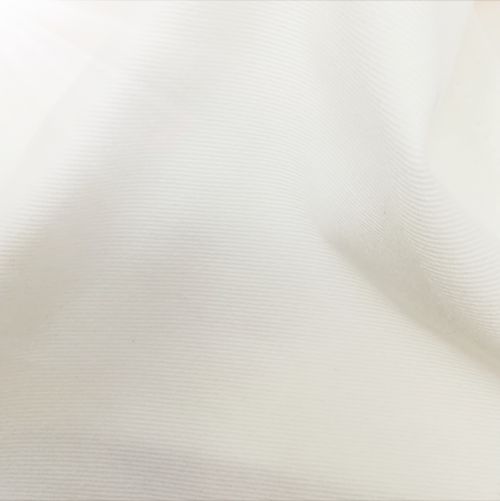
Twill fabric features a subtle diagonal pattern that gives it its interesting and characteristic texture. Twill is woven using a technique that gives this fabric a slight stiffness and resistance, making it ideal for making outerwear – such as trench coats or safari jackets –, shirts, and also other garments such as workwear, blankets, or the classic kilts typical of Scottish men's clothing. Twill is also a fabric that lightly repels water, insulates air very well, and does not wrinkle easily. This cotton fabric is also used in home textiles, as its strength and dense character make it suitable for upholstering cushions or for making tablecloths and napkins. Our twill fabric is certified Öeko-Tex 100 by the AITEX research center and has a weight of 195 g/m2, which gives it a protective function. Additionally, thanks to the direct digital printing technology we use at Waixo, colors adhere perfectly to the cotton.
This 100% cotton composition makes twill more resistant to washing than other twills with a certain polyester content, which tends to cause pilling. Cotton fabrics also have a lower affinity for fats and oils, making stain removal easier. The only drawback: being cotton, special care must be taken with ironing, as it is more prone to wrinkling.
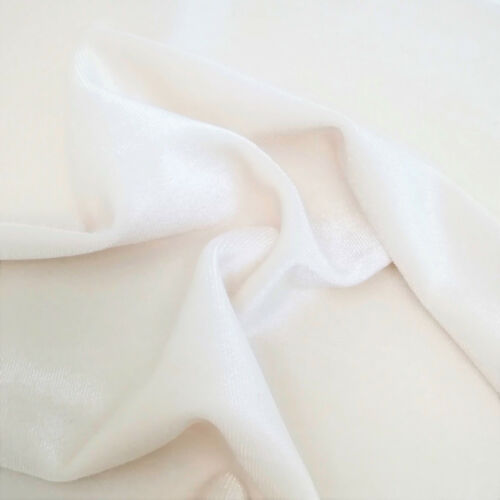
Velvet fabric has come to stay once again in our wardrobes during winter, although it has also been present in other seasons of the year. We can see this polyester fabric in dresses, jackets, miniskirts, suits, pants, and tops; although it is also present in the making of accessories, such as shoes or chokers, and even in swimsuits and bikinis. Velvet also displays its characteristic shine in a hundred shades and variations: from black, through burgundy, dark green, mustard yellow, or white with patterns.
Its outer face presents a soft and dense pile that gives it the characteristic texture of velvet, while inside it has a smooth and soft surface, perfect for acting as a lining for the garments we make with this fabric. In addition, velvet can be used in home textiles, both for decoration and upholstery, as it presents great resistance. You can now buy velvet by the meter on our website with your own design or with one from our collection.

Organic cotton is a type of cotton grown without the use of toxic chemicals – such as fertilizers or pesticides – and using sustainable farming methods, which include not exploiting land and using crop rotation techniques. Its inclusion in the textile world is vital to achieve the sustainable change it needs, not only from an environmental point of view, but also socially and economically. And without a doubt, organic cotton is a good start for making eco-friendly fabrics.
The use of organic cotton (sometimes also mistakenly called "ecological," as this term should be reserved for cotton from organic farming certified by an independent entity) guarantees that our garment or accessory has been made from a fiber obtained from 100% sustainable cultivation and harvesting.
One of the main unknowns we all face when using eco-friendly materials and fabrics is the result, as we tend to remember those "dirty" colored, unpleasant-feeling recycled papers with which we began to join the era of sustainability a few years ago. Fortunately, a couple of decades have passed since then, and recycled or eco-friendly materials and fibers no longer have that natural but uncomfortable appearance. Now the organic cottons we have available are of unsurpassed quality, have a really pleasant feel, and the only palpable difference, compared to the rest of the traditional cottons we offer, is their ecological origin and their Öeko-Tex 100 certification, issued by the AITEX research center. In addition, these types of cottons are capable of impregnating cyle=\\\\\\\\\\\\\\\\\\\\\\\\\\\\\\\\\\\\\\\\\\\\\\\\\\\\\\\\\\\\\\\"text-align: justify;\\\\\\\\\\\\\\\\\\\\\\\\\\\\\\\\\\\\\\\\\\\\\\\\\\\\\\\\\\\\\\\">Ecological fibers are gaining more and more weight in the fashion sector for two powerful reasons: growing environmental concern and their differentiating factor. This is organic cotton, which differs from "traditional" cotton in that it is obtained from organic crops where less water is consumed and no fertilizers or pesticides are used, and with which we can obtain ecological fabrics.
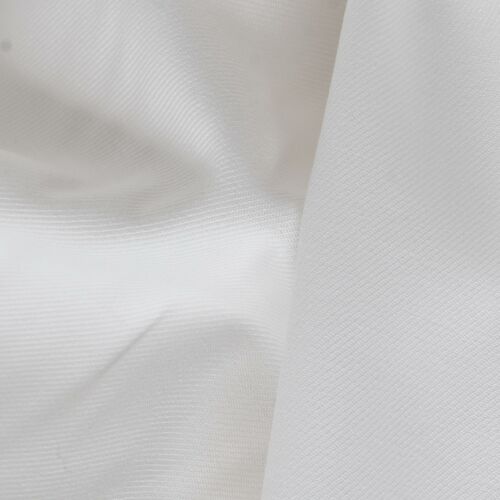
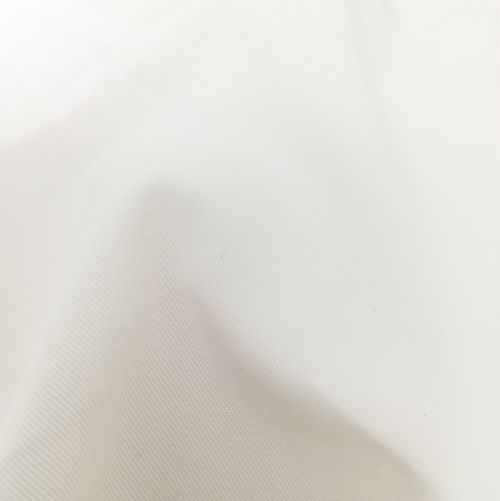
100 % Pima Cotton
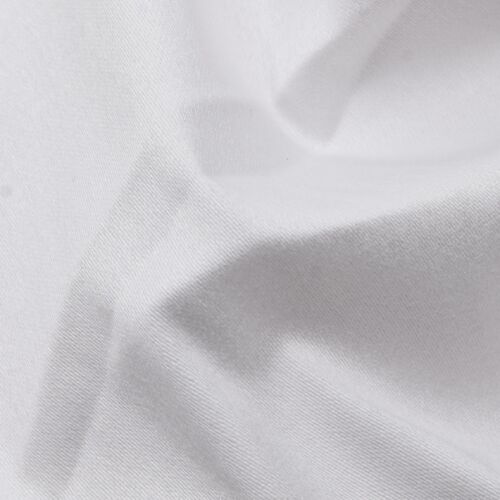

Select a fabric by clicking on 'Choose your fabric'.
Select one of the options